3 Tips on Dealing with a Broken Torsion Spring Cable: What Our Engineers Check First
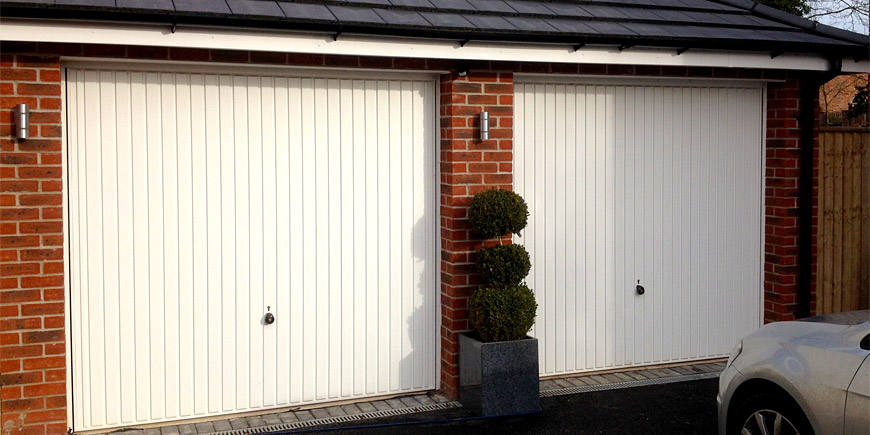
Up and over garage doors are a popular choice for homes, offering convenient access and a practical way to make use of garage space. Depending on their design, these doors use springs, cables and other operating components to help support their weight when opening and closing.
However, cables can become worn, frayed or damaged over time. If a cable snaps, the garage door may become difficult to operate, sit unevenly or become unsafe to use.
Quick answer: If you suspect your garage door cable has snapped, stop using the door immediately and arrange a professional inspection. Damaged cables and springs can cause sudden, uncontrolled movement, making DIY repairs dangerous.
Below, we explain three important steps to take if you notice a damaged garage door cable, along with common warning signs, maintenance advice and when professional repairs may be needed.
1. Identify the signs of a damaged garage door cable
It’s a good idea to arrange regular garage door maintenance to help identify wear before it develops into a more serious problem. Cables can deteriorate through repeated use, corrosion, friction or faults involving other operating components.
The first warning signs may be visible before a cable breaks completely.
With the garage door stationary and without touching, moving or dismantling any components, look out for:
- Frayed or separated cable strands: Individual wires may become visibly worn or begin separating from the cable.
- Rust or corrosion: Moisture can cause deterioration, particularly around exposed or lower cable sections.
- Loose or hanging cables: A cable that appears to have slipped from its normal position may indicate a fault with the lifting mechanism.
- An uneven garage door: If one side sits lower than the other, a cable or another supporting component may have failed.
- Unusual operating noises: Scraping, grinding or sudden changes in movement can indicate problems requiring inspection.
These symptoms don’t always mean the cable itself has failed. Springs, rollers, tracks and other operating components can produce similar problems.
If you notice any of these warning signs, stop operating the door and arrange a professional assessment. Wessex Garage Doors provides specialist up and over garage door repairs, including problems involving cables and springs.
2. Know what to do if your garage door cable has snapped
If a garage door cable has snapped, the most important step is to stop using the door immediately.
Garage door cables form part of the lifting or counterbalance system on certain garage door designs. Some doors use torsion springs, while others use extension springs or different mechanisms. The cables, springs and fittings must be compatible with the specific door, which is why cable replacement should always be carried out by a trained technician.
If a lifting cable fails, the weight of the door may no longer be supported or distributed correctly. Attempting to operate it could cause sudden movement, further mechanical damage or serious injury.
For your safety:
- Do not attempt to lift or lower the garage door manually.
- Do not use an automatic opener to force the door to move.
- Do not pull an emergency release to try to bypass the problem.
- Do not touch, reconnect or adjust damaged cables, springs or brackets.
- Keep children, pets and other people away from the garage door until it has been inspected.
If the garage door is stuck partially open, avoid standing or walking underneath it. If you can safely access the garage through a separate entrance without approaching the damaged door, use that entrance instead.
A qualified garage door engineer can assess the lifting mechanism and establish which components require attention.
3. Arrange professional cable replacement and repairs
Garage door cables work alongside springs and other operating components to help the door open and close correctly. The precise arrangement depends on the door’s design, manufacturer and counterbalance system.
This means the correct replacement components and repair approach will vary between garage door models.
When investigating a damaged cable, relevant engineer checks may include:
- Cable condition: Checking for snapped strands, corrosion, stretching or other visible deterioration.
- Springs and counterbalance: Assessing whether related components are damaged or operating correctly.
- Cable attachments and guides: Checking relevant drums, pulleys, brackets or fittings for wear and misalignment.
- Door alignment: Establishing whether the door sits evenly and whether another fault contributed to the cable damage.
- Safe operation: Checking the door’s movement and balance after the necessary repairs have been completed.
Where a door uses a pair of lifting cables, an engineer may recommend replacing both if their condition, age or compatibility makes this appropriate. Replacing one damaged cable without assessing the other could leave underlying wear or related mechanical problems unresolved.
Wessex Garage Doors repairs up and over doors from major manufacturers, including Garador, Hörmann and Novoferm. Our repair service covers broken cables, springs and related operating faults, with replacement parts available where suitable.
This means homeowners can have the condition of their existing garage door assessed before deciding whether more extensive work is necessary.
Fix and Repairs
- We can help with those wonky garage doors, annoying dents, and dusty garages.
What causes garage door cables to wear or break?
Although cables are designed to withstand regular use, they can deteriorate as the garage door ages.
Common contributing factors include:
- Repeated use: Over time, movement and mechanical wear can affect the condition of cables and their fittings.
- Moisture and corrosion: Damp conditions, condensation and exposure to road salt or coastal air can contribute to deterioration.
- Worn pulleys or cable drums: Damaged operating components can place additional stress on the cables.
- Door misalignment: A door that isn’t moving correctly may place uneven loads on the lifting mechanism.
- Lack of maintenance: Developing wear may go unnoticed without periodic inspections.
Seasonal conditions can also play a part. During wetter months, moisture may contribute to corrosion, particularly where cables or surrounding components are already showing signs of deterioration.
Regular maintenance helps identify these problems, although it cannot prevent every cable failure.
How can you help prevent garage door cable problems?
While homeowners should never attempt to adjust or replace tensioned garage door components themselves, there are simple maintenance habits that can help identify developing issues.
- Arrange regular servicing: Periodic professional inspections can identify worn cables, springs and related components before they fail.
- Keep the surrounding area clear: Avoid storing belongings where they could interfere with the garage door or its operating mechanism.
- Watch for changes: Unusual noises, uneven movement or increased resistance can indicate developing mechanical problems.
- Check for visible corrosion: Look for obvious signs of rust or deterioration from a safe position without touching the cables.
- Address problems early: Arrange professional advice if you notice changes in how the door operates rather than continuing to use it.
Garage door counterbalance systems can store considerable energy, even when the door is stationary. Spring adjustments, cable replacement and repairs involving tensioned components should always be left to a trained professional.
Should you repair or replace a garage door with a broken cable?
A broken garage door cable doesn’t automatically mean the entire door needs replacing.
If the door is otherwise in good condition, replacing damaged cables and addressing any related mechanical faults may be the most practical solution.
However, if the door has substantial structural damage, repeatedly develops faults or has several worn operating components, a replacement may be worth considering.
Before recommending a replacement, it’s important to establish whether the problem is limited to the cables or whether the springs, tracks, frame or other components are also affected.
Wessex Garage Doors provides garage door repairs and replacement parts for a range of manual and automated doors. Our experienced team can assess the problem and advise on the most suitable next step.
If your existing door is beyond economical repair, you can also explore our range of up and over garage doors as a replacement option.
Get help with a broken garage door cable
A broken or frayed garage door cable should never be ignored. Arranging professional attention promptly can help prevent further damage and ensure the door is repaired safely.
At Wessex Garage Doors, our experienced engineers can inspect damaged cables, springs and related operating components to identify the underlying problem and recommend an appropriate repair.
Whether your garage door needs replacement cables or more extensive mechanical work, a professional assessment can help establish the safest and most practical solution.
Visit our garage door repairs page to request a free online repair estimate, or contact Wessex Garage Doors for advice or to arrange an inspection.