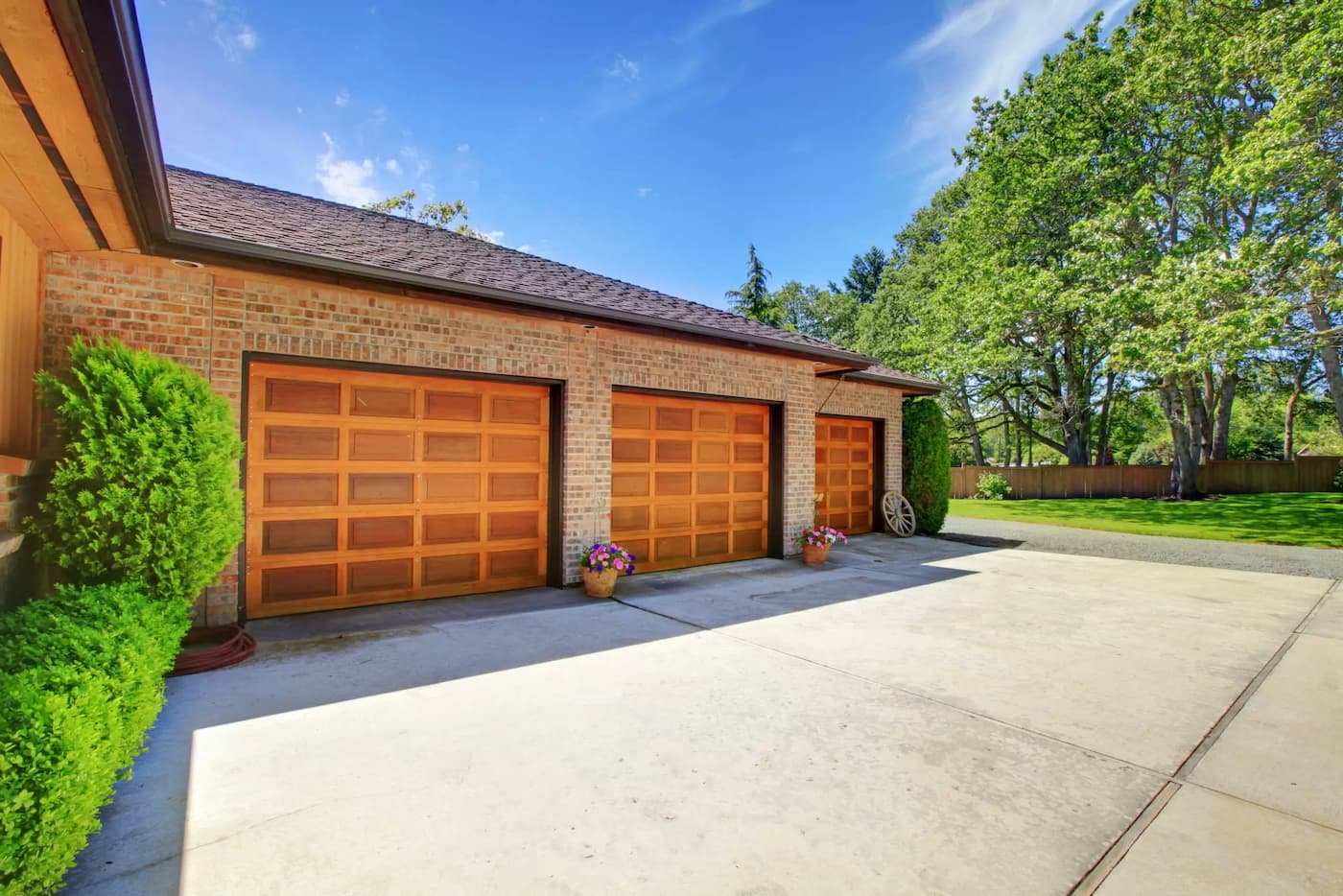
How to Choose the Best Garage Doors for Coastal Living
For homeowners along the Dorset coast, including Weymouth, Bournemouth, Poole and the surrounding areas, choosing a garage door involves more than finding the right style. Salt-laden air, strong coastal winds and wind-driven rain can place additional strain on door panels, frames, tracks, fixings and seals. The best garage door for a coastal property therefore needs to combine a suitable material with protective finishes, effective weather sealing and a specification that reflects how exposed the individual home is.
Why coastal homes need a different garage door specification
A garage close to the sea can experience more than occasional bad weather. Moisture and airborne salt can settle on the door and its working parts, while exposed openings may also face repeated gusts and rain driven towards the threshold. This does not mean every property in Dorset or Sussex needs the same product. A garage facing the seafront may need a different specification from one sheltered by neighbouring buildings only a short distance away.
That is why the complete installation matters. A door panel may be resistant to rust, but the frame, springs, hinges, tracks, brackets and fixings can be made from different materials. Coastal suitability should be assessed across the whole door, not judged from the front surface alone.
Start with the property, not the product brochure
Before comparing materials, look at the conditions the door will face and how the garage is used. The following points often have more influence on the final recommendation than the property’s postcode alone:
- Exposure: Does the garage face the prevailing weather, an open road, harbour or seafront?
- Shelter: Do walls, neighbouring buildings, planting or the shape of the property provide protection?
- Drainage: Does the driveway fall towards the opening, and can water collect along the threshold?
- Opening size: Wider doors can require additional attention to wind performance and supporting fixings.
- Garage use: An attached garage, workshop or frequently used entrance may make insulation and automation more important.
- Maintenance expectations: A homeowner wanting minimal upkeep may make a different choice from someone prepared to maintain natural timber.
Choosing a garage door material for coastal living
There is no single material that is best for every coastal garage. The most suitable option depends on the property’s exposure, the required opening style, the homeowner’s maintenance expectations and the protection applied to the complete door system.
Composite or GRP garage doors
For many coastal homeowners, composite or GRP garage doors provide a strong balance of appearance and low maintenance. The fibreglass panel does not develop conventional red rust and can reproduce the look of timber without requiring regular staining. This makes GRP particularly useful where a traditional finish is wanted but ongoing surface treatment is not.
The panel should not be considered in isolation, however. Ask what the chassis, frame, locking hardware and fixings are made from, how those parts are protected, and what cleaning schedule applies near the coast.
Protected steel and sectional garage doors
Steel can corrode when its protective finish is damaged or unsuitable for the environment, but that does not rule it out. A properly coated steel door with suitable edge, frame, track and hardware protection can be a practical choice. Sectional garage doors are especially worth considering for attached garages because they can offer good insulation, security and space-efficient vertical opening.
The key question is not simply whether the front face is galvanised or coated. Coastal buyers should ask whether the exposed edges, frame, tracks, hinges and fixings are included in the protective specification, and whether the manufacturer places any conditions on installation close to salt water.
Aluminium roller garage doors
Aluminium does not produce the same red rust as steel, which makes roller garage doors an attractive option where compact operation and automation are priorities. The curtain rolls into a box above the opening, leaving the ceiling and driveway clear.
Aluminium should still not be described as maintenance-free or immune to coastal conditions. Salt deposits can affect coatings and working components, while brackets, fixings and other parts may contain steel. Confirm the cleaning requirements and warranty terms for the exact door being proposed.
Timber garage doors
Timber does not rust and can be the right aesthetic choice for a period property or a home where natural materials are important. The trade-off is maintenance. Moisture and repeated exposure can affect timber if the coating is allowed to deteriorate, so inspection, cleaning and recoating need to be treated as part of ownership rather than an occasional cosmetic job.
What a non-rusting garage door really means
GRP, fibreglass and timber panels do not develop iron rust, and aluminium does not produce conventional red rust. That does not mean a complete garage door is rust-proof. Most doors include metal operating components, so the better question is: which parts can corrode, and how have they been protected?
Before ordering, ask the installer to confirm:
- The material used for the panel, frame and tracks.
- The finish applied to edges, joints and drilled areas.
- The specification of hinges, brackets, springs and fixings.
- Whether a coastal upgrade is available or required.
- Whether salt exposure changes the maintenance schedule or warranty.
Keeping wind-driven rain out of the garage
When rain is coming in beneath a garage door, the bottom seal is only one part of the investigation. Water can enter because the seal is worn, the door is out of alignment, the threshold is uneven or the driveway directs water towards the opening.
A practical inspection should cover:
- Whether the bottom seal meets the threshold evenly across the full width.
- Whether the door closes fully and sits square within the opening.
- Cracks, dips or damage in the concrete threshold.
- The direction of the driveway fall and the position of any drainage channel.
- Blocked gutters, gullies or channels that allow water to build up.
- Debris around roller-door guides, safety edges or weather seals.
A replacement weather seal or improved threshold may reduce normal wind-driven rain, but a standard garage door should not be assumed to be watertight. Properties with a recognised surface-water or coastal flood risk may need specialist flood-resistant doors, raised thresholds or removable barriers in addition to ordinary weather sealing.
Protecting a garage door from strong coastal winds
Wind protection starts with correct product selection and installation, not with adding makeshift braces after the door has been fitted. The exact door model, opening width, supporting structure, tracks and fixings all need to be suitable for the level of exposure.
- Tell the surveyor if the garage is in an exposed position or directly faces the coast.
- Ask whether the proposed door and size are suitable for the expected wind exposure.
- Make sure the frame and fixings are appropriate for the surrounding masonry or structure.
- Keep the door fully closed during strong winds and avoid operating it while it is under heavy pressure.
- Arrange prompt repairs if panels, tracks, hinges or seals become loose or misaligned.
- Do not drill, brace or alter the door without approval from the installer or manufacturer.
This is particularly important for wide openings and garages in exposed positions around Weymouth, Portland, Bournemouth, Brighton, Worthing and other parts of the Dorset and Sussex coast. Two properties in the same town can need different solutions depending on their orientation and shelter.
A coastal garage door maintenance checklist
Even a well-specified coastal garage door needs routine care. Salt and dirt are easier to manage when they are removed regularly rather than left to build up around edges and moving parts.
- Rinse the door with clean water as often as the manufacturer recommends for a coastal location.
- Use a mild soap and soft cloth or sponge rather than abrasive cleaners.
- Avoid pressure washing, which can damage finishes or drive water into vulnerable areas.
- Clean the frame, guides, seals and threshold, not just the visible door face.
- Check painted or coated surfaces for chips, scratches, bubbling or exposed edges.
- Keep tracks clean and follow the manufacturer’s lubrication instructions for moving components.
- Inspect the door after severe weather and arrange professional servicing at the recommended intervals.
Wessex provides further advice on how to clean a garage door without damaging its finish and what to do if you notice early signs of rust. Always follow the instructions supplied for the specific door, as maintenance requirements can differ between manufacturers and finishes.
Choosing the right garage door in Dorset, Brighton and Sussex
For a low-maintenance coastal home, composite or GRP garage doors are often a sensible place to start. For an attached or regularly used garage, a suitably protected sectional garage door may provide a better balance of insulation, security and convenience. Where space is restricted, an aluminium roller garage door may be the more practical choice. Timber remains an option where an authentic natural finish is worth the additional upkeep. Homeowners who are still comparing the available materials and opening mechanisms can also explore the full range of garage door types.
The final decision should be based on the property itself rather than a general material ranking. A survey should consider the direction the garage faces, the condition of the opening, drainage, wind exposure, how the garage is used and the maintenance requirements attached to the chosen product.
Wessex Garage Doors supplies, installs and maintains garage doors across Bournemouth, Poole, Weymouth, Brighton and the wider Dorset and Sussex coverage area. To compare suitable materials and opening styles for your property, book a free home survey with the team.